
For much of the past decade, the healthcare industry has viewed digital health through the lens of adoption. In the early days of digital health, many tools struggled to become part of patients’ regular routines. One study published in 2014 found that digital health apps were used, on average, just three times per month. The conversation centered on whether people would use health apps, trust wearable devices, schedule virtual appointments or embrace new ways of managing their health outside traditional care settings.
Those were important questions at the time. Many of the technologies that are now familiar parts of the healthcare landscape were still proving their value and fighting for attention. Adoption was a meaningful measure of progress because it told us whether people were willing to engage with something new. Now, the more relevant question is what happens after people adopt these tools.
From adoption to habit
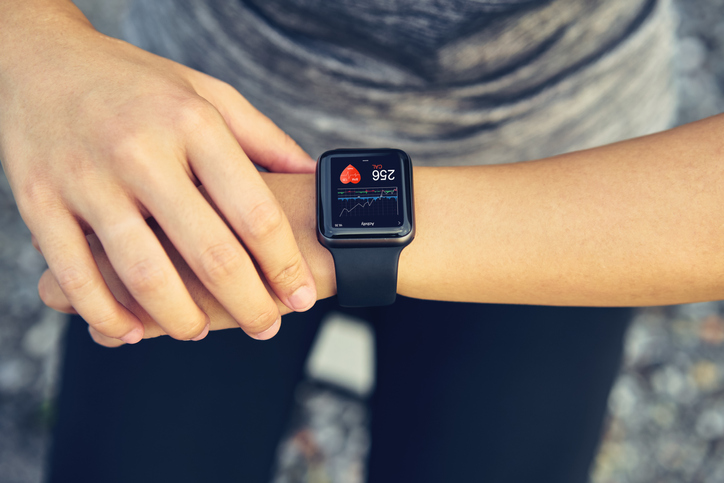
Many digital health tools have moved beyond the novelty phase and become woven into everyday routines. People check sleep data while getting ready for work. They monitor activity levels throughout the day. They glance at stress indicators after a difficult meeting or use health apps to stay on track with personal goals. These interactions are often brief and unremarkable, yet they become part of how people make sense of their own health.
For many, these tools have become part of the background rhythm of everyday life. What once felt novel now functions as a routine part of how people monitor and manage their health.
People rarely focus on the technology itself. Instead, they focus on how these tools fit into their lives, whether that means helping them stay on top of a health goal, making sense of changes in their well-being or reducing uncertainty about what might be happening with their health. This perspective changes how success should be evaluated in digital health.
For years, innovation was often measured by what technology could do. More features, more integrations and more data collection were viewed as signs of progress. Real people tend to look at things differently. Does this fit naturally into my life? Does it help me accomplish something I care about? Does it make managing my health feel easier rather than more complicated?
What people are really buying
We’re seeing evidence that people are becoming more selective about where digital health fits into their lives. Some services that experienced a surge of interest during the pandemic have settled into a more measured role. That shouldn’t necessarily be viewed as a setback. In many ways, it reflects a market that is maturing.
When patients first encounter a new technology, curiosity often drives experimentation. Over time, curiosity gives way to practicality. People begin deciding which tools genuinely help them and which ones simply add another account to manage, another notification to dismiss or another task to complete.
Healthcare has reached a point where many patients no longer need to be sold on the idea of digital health. What separates successful products from forgotten ones often comes down to whether they remain useful six months later, when the excitement of trying something new has faded. Does anyone else remember Tamagotchis? They were at the height of their popularity in the mid-1990s, but the craze only lasted a couple of years. However, they have become a bit iconic among a certain crowd, with lasting “lessons” reverberating over the last three decades. One of those lessons is that novelty may capture attention, but lasting success depends on becoming part of people’s daily routines.
Digital health companies face a similar challenge: turning initial enthusiasm into lasting value. The products that succeed over time are usually the ones that make life easier, fit naturally into existing routines and continue delivering value long after the novelty wears off.
The convenience test
A wearable device that quietly tracks important information without requiring constant effort may earn a permanent place in someone’s life. An app that creates more work than value probably won’t. We are all busy, distracted and balancing countless responsibilities, so the technologies that succeed are often the ones that respect that reality.
This is one reason passive monitoring and ambient forms of health tracking are attracting so much attention. People generally appreciate information that helps them make better decisions, but they don’t necessarily want to spend more time collecting it. A product that reduces effort often delivers more value than one that requires greater engagement.
Looking beyond usage metrics
For healthcare organizations, this has implications that go well beyond product development. Usage data can reveal what people are doing, but it rarely explains why certain products become part of daily routines while others are abandoned after a few weeks or months.
Those metrics can tell us when someone logs in, how often they engage and which features they access. It doesn’t always explain what role a product plays in their daily life. It doesn’t reveal whether a tool provides reassurance during a stressful period, helps reinforce healthy habits or creates a sense of control over a condition that often feels unpredictable. As artificial intelligence becomes more deeply embedded in digital health experiences, understanding that context may become even more important than understanding usage alone.
Organizations looking to move beyond usage metrics should consider a few approaches that help connect behavior with context:
- Look beyond whether patients are using a tool and examine how usage changes over time. Patterns of declining engagement, increased activity or sporadic use can provide clues about when patients are struggling, building new habits or no longer finding value in the technology. Those signals can help providers identify patients who may need additional education, follow-up or support before small challenges become larger barriers to care.
- Pay attention to experiences as they happen rather than relying entirely on retrospective feedback. Digital health tools can capture what patients do, but they don’t always explain what was happening when those actions occurred. Understanding whether a patient was confused by a feature, interrupted by competing priorities or struggling with a particular aspect of their care can reveal barriers that may never surface during a scheduled appointment and help providers identify opportunities for intervention before those barriers affect adherence or outcomes.
- Combine behavioral data with patient feedback. Usage patterns can show what patients are doing, while conversations can help explain why certain tools become part of daily routines and why others are abandoned despite strong initial adoption. Understanding those reasons can help providers identify barriers to adherence, improve patient education, tailor support to different patient needs and make more informed decisions about which digital tools to recommend or integrate into care plans.
Taken together, these approaches can help healthcare providers better understand how digital health tools fit into patients’ lives and identify opportunities to improve engagement, support adherence and deliver a better patient experience.
Understanding what drives long-term use
The motivations, habits and routines that shape long-term use can be difficult to quantify, but they often have a profound influence on whether people continue using a product over time. As digital health continues to evolve, I suspect providers that stand out will be the ones that understand how health fits into the realities of everyday life and design experiences that support those realities rather than compete with them.
The healthcare industry spent years focused on whether patients would adopt digital health. The next chapter will be shaped by understanding which technologies people choose to make room for, and what that decision reveals about the way they want to manage their health.
Artificial intelligence will likely accelerate this shift. As AI becomes more deeply embedded within wearables, health apps and digital care experiences, patients may rely more on tools that interpret health data, surface patterns and offer guidance in real time. Yet even as the technology becomes more sophisticated, the underlying challenge remains the same: understanding how people actually experience these tools in the context of their daily lives.
Photo credit: Sitthiphong, Getty Images
Dara St. Louis is the EVP of Reach3 Insights, a full-service consultancy specializing in conversational insights. With over 20 years of experience in market research, Dara is a leader in CPG, tech, retail, and experiential insights, known for driving innovation and team empowerment through creative, tech-accelerated solutions in qualitative, quantitative, and community-based research.
This post appears through the MedCity Influencers program. Anyone can publish their perspective on business and innovation in healthcare on MedCity News through MedCity Influencers. Click here to find out how.
